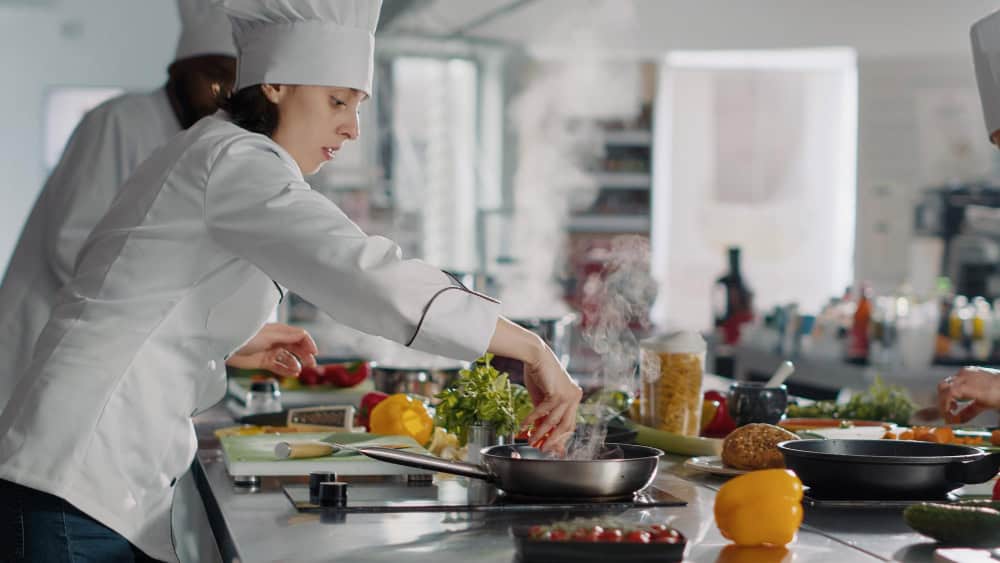
Cooking transcends mere sustenance; it emerges as a powerful conduit for creativity and emotional well-being. As mental health continues to gain recognition in our lives, exploring innovative avenues for enhancement becomes crucial. Culinary classes not only foster artistic expression but also build confidence and community. This article delves into the therapeutic effects of cooking, the myriad benefits of culinary education, and how these experiences can transform mental health. Discover how the kitchen can become your sanctuary.
The Importance of Mental Well-being
Recent studies indicate that engaging in creative activities, such as cooking, can significantly reduce anxiety and enhance overall emotional well-being by as much as 40%.
Cooking promotes mindfulness, enabling individuals to concentrate on the present moment. A study published in the Journal of Positive Psychology revealed that participants who engaged in cooking experienced notable improvements in their mood and overall life satisfaction.
Utilizing tools such as meal prep containers and recipe applications can streamline the cooking process, allowing individuals to focus more on the creative aspects rather than logistical concerns.
Furthermore, experimenting with new recipes not only improves culinary skills but also serves as a form of self-expression, contributing to an enhanced sense of personal fulfillment.
Cooking as a Form of Expression
Cooking provides individuals with the opportunity to express their creativity by crafting unique dishes that not only satisfy the palate but also reflect their personal identity.
Renowned chefs exemplify this concept. For instance, Jos Andrs utilizes culinary innovation to advance humanitarian causes, thereby showcasing his identity through dishes that celebrate diverse cultures. Similarly, Dominique Crenn incorporates her personal narrative into her menu, creating meals that convey her life story. Through experimentation with flavors and presentation, both chefs elevate food into a powerful medium for self-expression.
Aspiring cooks are encouraged to explore regional cuisines that resonate with their personal experiences, enabling them to create meals that articulate their own narratives.
The Benefits of Culinary Classes
Participating in culinary classes presents a wide range of benefits, including the enhancement of creativity and the acquisition of essential cooking skills that contribute to personal development.
Enhancing Creativity
Culinary classes provide participants with the opportunity to experiment with various flavors and techniques, thereby enhancing creativity and facilitating the development of unique recipes.
For instance, a course focused on molecular gastronomy allows students to explore innovative cooking methods such as spherification and foaming, utilizing tools like sodium alginate and agar-agar.
Additionally, flavor pairing classes instruct students on how to identify unexpected yet complementary ingredients, such as the combination of chocolate with chili or basil with strawberries.
Engaging in these hands-on experiences not only enhances technical skills but also fosters confidence in experimentation, ultimately leading to the creation of signature dishes that embody individual culinary styles.
Building Confidence
By mastering new culinary techniques, students frequently experience a significant increase in confidence, which prompts them to explore new recipes at home. Culinary classes provide a comprehensive introduction to a variety of essential techniques that enhance cooking skills.
For example, acquiring knife skills not only improves efficiency but also enhances the presentation of dishes, enabling students to create visually appealing meals.
Mastering sous-vide cooking imparts the ability to control temperatures precisely, resulting in perfectly cooked proteins that are sure to impress family and friends. Techniques such as emulsification give the power to students to create flavorful dressings and sauces from scratch.
These newly acquired skills facilitate experimentation with diverse cuisines, transforming cooking from a mundane task into a creative outlet.
Fostering Social Connections
Culinary classes provide an engaging environment for social interaction, enabling participants to establish enduring friendships while sharing a common interest in cooking. These classes frequently incorporate group cooking sessions that promote collaboration among attendees.
For example, participants may be organized into teams to prepare a themed dinner, such as an Italian night, with each group responsible for crafting a different course-appetizer, main, or dessert. This arrangement not only cultivates a sense of community but also facilitates networking opportunities.
Additionally, tools such as online group chats or forums can significantly enhance these interactions, allowing participants to exchange recipes and discuss culinary techniques even after the class has concluded. The relationships formed in this context often evolve into lasting friendships, thereby enriching the overall culinary experience.
How Cooking Affects Mental Health
Research indicates that cooking can have a beneficial impact on mental health, functioning as a therapeutic outlet and providing an opportunity for individuals to practice mindfulness.
The Therapeutic Effects of Cooking
Research indicates that therapeutic cooking can effectively alleviate symptoms of depression and anxiety, with participants reporting an approximate 30% improvement in mood following cooking sessions. In various cooking therapy programs, individuals engage in hands-on activities that promote creativity and mindfulness.
For instance, a study published in the Journal of Positive Psychology demonstrated that participants experienced heightened feelings of happiness after preparing meals collaboratively. Cooking facilitates social interaction, which is advantageous for mental health.
Additionally, tools such as meal planning applications (e.g., Mealime or Paprika) not only assist in organizing recipes but also provide a framework that contributes to a sense of structure.
Participants frequently express satisfaction in acquiring new skills, such as knife techniques or baking, which can enhance their sense of accomplishment and self-esteem.
Mindfulness in the Kitchen
Practicing mindfulness during the cooking process can significantly enhance the overall experience, fostering relaxation and concentration, with practitioners reporting a 25% reduction in stress levels.
To incorporate mindfulness into your cooking, it is advisable to engage fully with the sensory elements of the experience. Attune yourself to the vibrant colors of the ingredients and the various textures as you chop, slice, or mix them.
Before commencing, take deep breaths to center your mind, and throughout the cooking process, strive to maintain a steady rhythm that facilitates a state of flow.
Periodically pause to appreciate the aromas and flavors that develop within your dish. Utilizing a timer can be beneficial; taking breaks between tasks allows for reflection and encourages presence, thereby cultivating a deeper connection with your culinary creation.
Reducing Stress Through Cooking
Engaging in cooking can be an effective stress-relief activity, with numerous individuals reporting a significant reduction in their daily stress levels when they engage in this practice regularly.
One effective strategy involves selecting recipes that inspire enthusiasm, such as comforting dishes from one’s childhood. For example, preparing a beloved recipe, such as a grandmother’s spaghetti sauce, not only evokes nostalgia but also provides a fulfilling and purposeful task.
Establishing a dedicated cooking night each week can help create a routine, providing a rewarding activity to anticipate. Additionally, utilizing tools such as meal prep containers can streamline the week by allowing for advance meal preparation, fostering a sense of accomplishment while simultaneously alleviating weekly stress.
Types of Culinary Classes
Culinary classes encompass a broad range of offerings that cater to various skill levels and interests, extending from introductory courses for beginners to specialized workshops that focus on specific cuisines.
Beginner vs. Advanced Classes
Beginner classes emphasize foundational skills, while advanced classes present students with complex techniques and intricate recipes.
In beginner classes, students acquire essential knife skills, basic cooking methods such as sauting and boiling, and learn to follow recipes accurately. For example, a class may concentrate on the preparation of simple dishes, such as omelets or pasta.
In contrast, advanced classes explore specialized techniques, including sous-vide cooking and the art of pastry. These courses often address complex subjects like fermentation and molecular gastronomy, encouraging participants to create sophisticated dishes such as foie gras terrine or multi-layered cakes.
Ultimately, each level serves a distinct purpose, catering to culinary enthusiasts with diverse aspirations.
Specialty Classes (e.g., baking, international cuisine)
Specialty classes, such as those focused on baking or international cuisine, provide participants with concentrated learning experiences that are tailored to specific culinary interests.
For example, a baking class may encompass artisan bread techniques, instructing participants on the creation of sourdough starters and the mastery of kneading methods. Participants would gain significant benefit from hands-on practice, utilizing high-gluten flours and exploring various fermentation processes.
Conversely, international cuisine classes, such as those centered on Thai cooking, typically emphasize fundamental skills, including knife techniques and the preparation of authentic dishes like Pad Thai or Green Curry.
Utilizing tools such as an Instant Pot for expeditious meal preparation or a quality chef’s knife can greatly enhance these learning experiences, fostering deeper engagement and promoting skill development.
Online vs. In-Person Classes
With the increasing popularity of online learning, aspiring cooks have the option to select between the flexibility of virtual classes and the hands-on experience offered by in-person workshops.
Online culinary classes provide unparalleled accessibility, enabling students to learn at their own pace and from any location. For example, platforms such as MasterClass offer a wide range of courses taught by renowned chefs, which can be accessed at any time.
In-person workshops, on the other hand, facilitate immediate feedback and direct interaction, which are essential for mastering techniques such as knife skills or sauce preparation. While online classes may often be more cost-effective due to lower overhead expenses, the immersive learning environment provided by in-person sessions significantly enhances skill acquisition.
It is advisable to consider one’s individual learning style and schedule when making this decision.
Skills Developed in Culinary Classes
Culinary classes provide students with a comprehensive skill set that encompasses both technical cooking abilities and effective time management in the kitchen.
Technical Cooking Skills
Students acquire essential technical skills, including knife handling, sauting, and baking, which serve as the foundation for cooking proficiency.
For example, mastering knife skills encompasses techniques such as julienne and chiffonade, which not only enhance presentation but also promote uniform cooking.
Sauting imparts knowledge of heat control and timing; students engage in this practice with both vegetables and proteins to cultivate flavor and texture. Baking introduces the importance of precise measurements, which are critical for preparing recipes such as souffls or bread.
Tools such as paring knives, saut pans, and digital scales are utilized to facilitate these lessons, ensuring that students understand the significance of each skill in practical kitchen settings.
Ultimately, these foundational skills equip students with the confidence to tackle complex dishes effectively.
Creativity in Recipe Development
Classes foster creativity in recipe development by encouraging students to experiment with various ingredient combinations and flavor profiles to create unique dishes.
One effective approach is to assign students the task of developing a dish using an unexpected hero ingredient, such as beets or chickpeas, which prompts them to explore unconventional applications.
Conducting ‘mystery box’ challenges, where students are required to craft a recipe from a selection of random ingredients, promotes innovation under pressure.
Additionally, incorporating food pairing exercises can inspire new ideas; for instance, students may be tasked with pairing sweet and savory flavors in a sauce or glaze.
These activities not only cultivate creativity but also enhance problem-solving skills in the culinary environment.
Time Management in Cooking
In culinary classes, students acquire the essential skill of time management in the kitchen, which significantly enhances efficiency and leads to improved meal preparation.
One effective strategy that is emphasized is the “mise en place” method, wherein students prepare and organize all ingredients prior to cooking. This preparation includes measuring spices, chopping vegetables, and preheating ovens.
For example, having all herbs pre-chopped facilitates seamless integration into dishes, thereby reducing stress during the cooking process. Additionally, utilizing timers to monitor multiple cooking processes ensures that no task is overlooked.
Students often engage in practical exercises, such as preparing a three-course meal, where they must time each component to be completed simultaneously. This practice not only hones their multitasking abilities but also significantly enhances their overall cooking experience.
Overcoming Challenges in Cooking
Aspiring cooks encounter a range of challenges throughout their culinary journey; however, developing the skills to overcome these obstacles is a crucial aspect of their growth and development in the field.
Dealing with Mistakes
Culinary professionals frequently encounter mistakes; however, understanding how to rectify these errors can enhance their learning experience and contribute to greater success in future endeavors.
Common cooking errors include:
- Under-seasoning
- Overcooking proteins
- Failing to thoroughly read recipes
For example, if a dish lacks flavor, one can incrementally add salt and taste throughout the process. Overcooked chicken may be salvaged by slicing it and incorporating it into a salad or sandwich, while undercooked pasta can be returned to boiling water for a few additional minutes.
Utilizing tools such as a meat thermometer or a timer can effectively prevent these issues. It is essential to view mistakes as valuable learning opportunities and to maintain a journal to document what was successful and what was not for future reference.
Learning from Feedback
Constructive feedback is essential for growth in culinary classes, as it assists students in refining their techniques and developing their unique cooking styles. There are several effective methods through which students can receive and implement feedback.
Firstly, conducting peer reviews enables students to engage with one another’s work and share valuable insights.
Additionally, classes can incorporate regular tasting sessions where instructors provide specific critiques on aspects such as flavor balance and presentation.
Maintaining a feedback journal allows students to document comments and action steps for improvement, which can be reviewed periodically to foster a reflective practice.
By integrating these techniques, culinary programs not only enhance students’ skills but also promote a culture of continuous learning within the culinary arts.
Embracing Cooking as a Lifelong Journey
Approaching cooking as a lifelong journey encourages individuals to continuously explore new recipes, techniques, and cuisines, thereby fostering ongoing growth.
One effective method to embark on this culinary adventure is by establishing personal challenges, such as preparing a dish from a different culture each month. For example, one could select a Nigerian jollof rice recipe in one month and then experiment with a Japanese ramen the following month.
Utilizing resources such as cooking classes, YouTube tutorials, or local culinary workshops can provide valuable insights into new techniques. Maintaining a journal to document experiences, including what was successful and what was not, can aid in tracking progress and refining skills.
It is important to embrace mistakes as learning opportunities and to celebrate successes throughout this culinary journey.
Encouragement to Enroll in a Culinary Class
Enrolling in a culinary class can significantly enhance one’s culinary skills while also positively influencing overall mental well-being. For example, participating in a local community cooking class not only imparts essential techniques but also serves as a creative outlet that can alleviate stress. If you’re seeking an immersive destination experience, consider a Culinary School in Thailand—Bangkok’s vibrant food culture and hands-on workshops offer mindful, sensory-rich learning that blends wellness with technique; many travelers pair short intensives with market tours and Thai flavor labs to deepen creativity and confidence.
Engaging with platforms such as MasterClass, where esteemed chefs share their expertise, allows individuals to learn at their own pace. Taking part in hands-on workshops can further refine practical skills and expose participants to diverse cuisines.
Ultimately, the social dimension of these classes cultivates connections with like-minded individuals, thereby enriching both the culinary experience and personal satisfaction.
Frequently Asked Questions
What is cooking as a creative outlet?
Cooking as a creative outlet is using cooking and food preparation as a form of self-expression and stress relief. It involves experimenting with different ingredients and techniques to create unique and delicious dishes.
How can culinary classes boost my mental well-being?
Culinary classes can boost your mental well-being by providing a fun and engaging activity that stimulates your senses and allows you to express yourself through cooking. They can also improve your confidence and self-esteem as you learn new skills and create delicious meals.
What types of culinary classes are available?
There are a variety of culinary classes available, including basic cooking classes for beginners, specialized classes for specific cuisines or techniques, and advanced classes for experienced cooks. You can also find online classes and workshops that cater to different dietary restrictions and preferences.
How does cooking as a creative outlet affect mental health?
Cooking as a creative outlet can have a positive impact on mental health by reducing stress and anxiety, improving focus and concentration, and boosting overall mood. It can also provide a sense of accomplishment and satisfaction when you create a delicious meal.
Do I need to have any cooking experience to join culinary classes?
No, most culinary classes are designed for individuals of all skill levels. Whether you are a beginner or an experienced cook, there are classes available that cater to your level of experience. In fact, culinary classes can be a great way for beginners to learn the basics and for experienced cooks to expand their knowledge and skills.
Can cooking as a creative outlet be beneficial for both individuals and groups?
Yes, cooking as a creative outlet can be beneficial for both individuals and groups. It can be a great solo activity for self-care and relaxation, but it can also be a fun and bonding experience when done with friends or family. Some culinary classes even offer team-building activities for corporate groups.

