Finding the perfect dress can feel like searching for a needle in a haystack. With countless styles, cuts, and fabrics available, how do you know which one will make you look and feel your absolute best? The secret lies in understanding your unique body type and choosing dress silhouettes that enhance your natural proportions. While off-the-rack dresses force you to fit into predetermined measurements, custom tailoring offers a transformative solution, creating garments designed specifically for your body.
In this comprehensive guide, we’ll explore the five primary body types, identify which dress styles flatter each shape, and explain why custom-made dresses provide unparalleled fit and confidence. Whether you’re preparing for a special occasion, building a professional wardrobe, or simply want to feel more confident in your clothing, this guide will help you make informed decisions about your dress choices.
Understanding Body Types: The Foundation of Flattering Custom Dresses
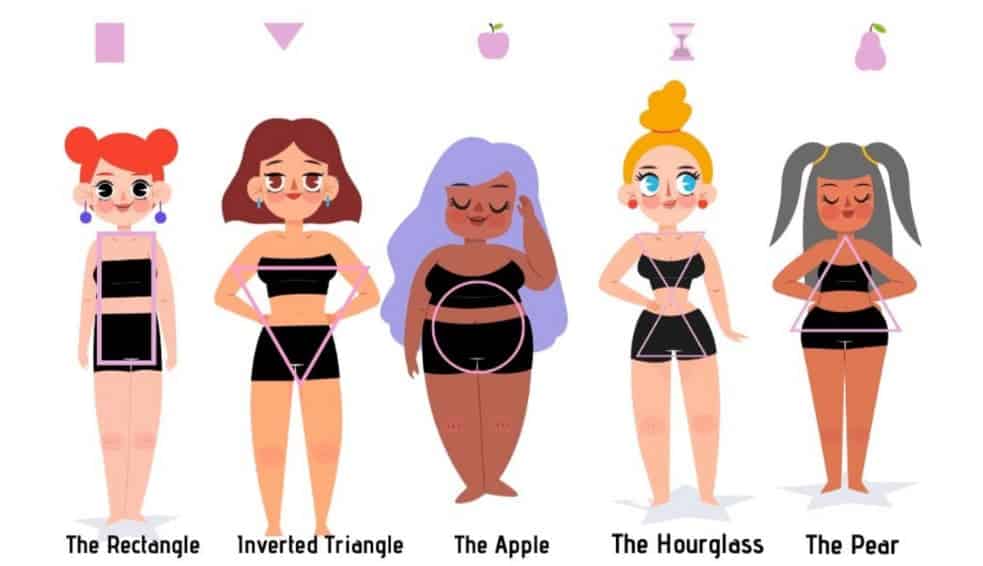
Before diving into specific dress recommendations, it’s essential to understand how to identify your body type. Fashion experts and stylists generally categorize women’s bodies into five main shapes based on the relationship between shoulders, waist, and hips. Understanding these proportions is the first step toward selecting dresses that highlight your best features while creating balanced, harmonious silhouettes.
How to Measure Yourself
To accurately determine your body type, you’ll need three key measurements:
1. Bust: Measure around the fullest part of your chest, keeping the tape parallel to the floor
2. Waist: Measure around the narrowest part of your torso, typically just above your belly button
3. Hips: Measure around the fullest part of your hips and rear
Once you have these measurements, compare them to identify which body type category best describes your proportions. Remember that most women are a combination of types, and these categories serve as guidelines rather than rigid rules.
The Five Primary Body Types
Hourglass Shape: Bust and hips are roughly equal in width with a significantly smaller, well-defined waist. This balanced, curvy silhouette is often considered the ideal proportion in fashion.
Apple Shape (Oval): Shoulders and hips are relatively proportional, but the midsection is fuller with less waist definition. Weight tends to concentrate around the torso, while legs may be slimmer.
Pear Shape (Triangle): Hips are noticeably wider than shoulders, creating a bottom-heavy silhouette. The waist is typically well-defined, and the upper body is narrower than the lower body.
Rectangle Shape: Shoulders, waist, and hips are fairly uniform in width with minimal curves. This athletic or straight silhouette lacks dramatic waist definition.
Inverted Triangle Shape (Heart): Shoulders and/or bust are wider than hips, creating a top-heavy appearance. The upper body is broader, while the lower body narrows through the waist and hips.
Dress Silhouettes Explained: Understanding the Basics
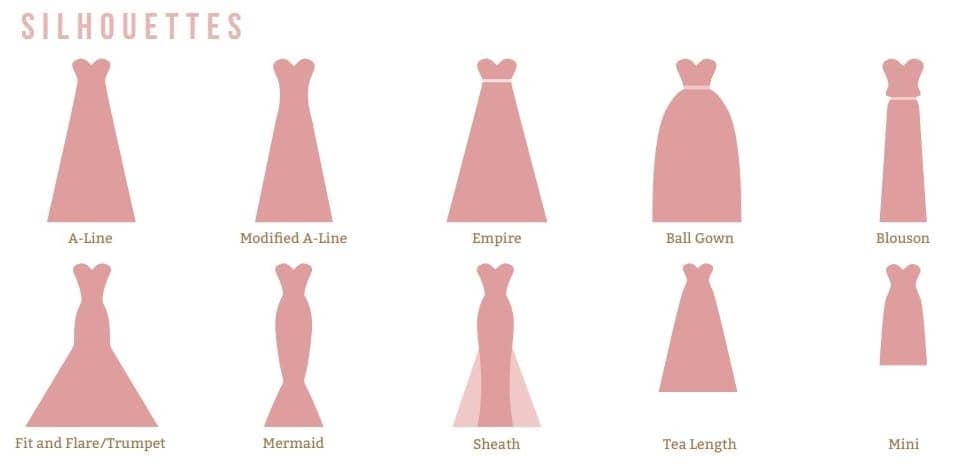
Before matching dresses to body types, let’s examine the fundamental dress silhouettes that form the building blocks of women’s fashion. Each silhouette creates different visual effects and works with various body types in unique ways.
A-Line Dresses
The A-line silhouette is fitted at the shoulders and gradually flares out toward the hem, creating a shape reminiscent of the letter “A.” This universally flattering style is celebrated for its versatility across almost all body types.
Pros:
- Balances proportions by skimming over hips and thighs
- Creates a lengthening effect for petite frames
- Comfortable and allows freedom of movement
- Works for both casual and formal occasions
Cons:
- May not provide enough definition for those wanting to emphasize curves
- Can appear too conservative for some fashion-forward preferences
- Less structured styles may not provide adequate support for fuller busts
Fit-and-Flare Dresses
Similar to A-line but with a more dramatic transition, fit-and-flare dresses feature a fitted bodice that cinches at the waist before flaring into a full skirt. This silhouette accentuates the waistline while providing volume below.
Pros:
- Creates or emphasizes an hourglass silhouette
- Defines the waist dramatically
- Adds feminine movement and drama
- Flatters virtually every body type
Cons:
- The defined waist may feel restrictive for some
- Full skirts can add visual volume to the lower body
- May require specific undergarments for smooth lines
Sheath Dresses
Sheath dresses follow the body’s natural line with a straight, narrow cut from shoulders to hem. This streamlined silhouette skims rather than clings to the figure.
Pros:
- Creates a long, lean appearance
- Professional and sophisticated aesthetic
- Versatile for office to evening wear
- Works well with layering pieces
Cons:
- Less forgiving of midsection concerns
- May feel too structured or restrictive
- Requires precise fit to avoid looking boxy
Wrap Dresses
The wrap dress crosses over at the front and ties at the waist, creating a customizable fit that adjusts to your body. This iconic style has remained popular for decades due to its adaptability.
Pros:
- Adjustable fit accommodates weight fluctuations
- Creates a V-neckline that elongates the neck
- Defines the waist beautifully
- Suitable for multiple body types
Cons:
- Requires careful construction to prevent gaping
- The wrap style may not suit very conservative settings
- Can be challenging to fit for larger busts without alterations
Empire Waist Dresses
Empire waist dresses feature a high waistline positioned just below the bust, from which the fabric flows downward. This silhouette creates a long, flowing line.
Pros:
- Elongates the legs dramatically
- Skims over the midsection comfortably
- Creates a romantic, ethereal aesthetic
- Ideal for maternity and fluctuating waistlines
Cons:
- Can create a maternity-like appearance if not styled carefully
- Less definition at the natural waist
- May not suit those wanting to show off curvy figures
Shift Dresses
Shift dresses hang straight down from the shoulders without cinching at the waist. This relaxed, modern silhouette gained popularity in the 1960s and remains a wardrobe staple.
Pros:
- Extremely comfortable and easy to wear
- Modern, minimalist aesthetic
- Skims over curves without clinging
- Perfect for hot weather
Cons:
- Can appear shapeless without proper styling
- May not provide enough structure for formal occasions
- Requires careful proportion balancing with accessories
Body Type Custom Dress Recommendations: Your Complete Style Guide
Now that we’ve explored the fundamental silhouettes, let’s match them to specific body types. The following recommendations combine fashion expertise from leading style guides to help you make informed choices.
Hourglass Body Type
Characteristics: Balanced bust and hips with a significantly defined waist, creating natural curves.
Best Dress Styles:
- Wrap dresses: The adjustable waist tie emphasizes your natural waistline while the V-neck draws attention upward.
- Fit-and-flare dresses: The cinched waist and flared skirt enhance your natural hourglass proportions
- Sheath dresses: Showcase your balanced silhouette with streamlined elegance
- Belted dresses:Add definition and highlight your waist
- Bodycon styles: When constructed with structured fabrics like Ponte knit, these showcase your curves beautifully
Neckline Recommendations: V-neck, scoop neck, off-the-shoulder, and sweetheart necklines all draw attention to your collarbone and décolletage while balancing your proportions.
Styling Tips: Avoid excessive ruffles or embellishments that compete with your natural shape. Solid colors are particularly effective at highlighting this balanced figure.
Apple Body Type
Characteristics: Fuller midsection with less waist definition, narrower hips, and often slimmer legs.
Best Dress Styles:
- Empire waist dresses: The high waistline sits above your midsection, drawing attention upward while flowing over the torso
- A-line dresses: Gently skim over the midsection without clinging
- Shift dresses: The straight cut hangs from shoulders without emphasizing the waist
- Flowy boho dresses: Soft fabrics drape beautifully without constriction
- Maxi dresses: Long lengths create vertical lines that elongate the figure
Neckline Recommendations: Wide necklines, plunging V-necks, and scoop necks draw the eye upward and create balance with the lower body.
Styling Tips: Look for dresses that taper through the torso and add shape to the midline. Avoid clingy fabrics around the midsection and consider shorter hemlines to showcase slimmer legs.
Pear Body Type
Characteristics: Narrower shoulders and bust with wider hips and thighs, typically with a defined waist.
Best Dress Styles:
- A-line dresses: The flared skirt balances wider hips while the fitted top emphasizes your narrower upper body
- Fit-and-flare dresses: Cinch at your natural waist and flare over the hips beautifully
- Off-the-shoulder dresses: Draw attention to your neckline and shoulders, creating visual balance
- Wrap dresses: Emphasise your defined waist while skimming over hips
- Empire waist dresses: Flow over the lower body while highlighting the upper torso
Neckline Recommendations: Boat neck, wide scoop neck, sweetheart, and off-the-shoulder styles broaden the shoulders and draw attention upward.
Styling Tips: Look for embellishments, ruffles, or interesting details on the bodice to add volume to your upper body. Choose knee-length, midi, or maxi hemlines rather than styles that end at the widest part of your thighs.
Rectangle Body Type
Characteristics: Shoulders, waist, and hips are similar in width with minimal natural curves.
Best Dress Styles:
- Belted or cinched styles: Create the illusion of a defined waist
- Fit-and-flare dresses: Add curves by cinching the waist and flaring at the hips
- Sheath dresses with ruching:** Strategic gathering creates the appearance of curves
- A-line dresses: The flare creates the illusion of wider hips
- Shirt dresses: Can be belted to add shape and definition
Neckline and Sleeve Recommendations: Scoop, sweetheart, and off-the-shoulder necklines broaden the upper body. Puff sleeves, cap sleeves, bell sleeves, and subtle ruffles add volume to shoulders.
Styling Tips: Look for dresses with color-blocking at the sides to create the illusion of curves. Asymmetrical and tiered styles add dimension and visual interest. Avoid shapeless, boxy dresses that reinforce straight lines.
Inverted Triangle Body Type
Characteristics: Broad shoulders and/or full bust with narrower hips and waist.
Best Dress Styles:
- A-line dresses: The flared skirt adds volume to the lower body, balancing broad shoulders
- Fit-and-flare dresses: Create volume at the hips to balance the upper body
- Full skirt dresses: Add visual weight to the lower half
- Empire waist dresses: Draw attention upward while flowing over the narrower lower body
- Peplum dresses: Add volume at the hips for better proportion
Neckline Recommendations: V-neck, scoop neck, and asymmetrical necklines soften broad shoulders and draw the eye vertically. Choose wider straps for sleeveless styles rather than thin spaghetti straps.
Styling Tips: Opt for structured fabrics on top with flowy fabrics like chiffon or silk for skirts. Use bold prints on the lower half while keeping the top solid or subtly patterned. Avoid shoulder pads, cap sleeves, and overly embellished tops that add volume to the shoulders.
Dress Style Recommendation Table by Body Type
| Body Type | Primary Characteristics | Best Dress Styles | Necklines to Try | Styles to Avoid |
| Hourglass | Balanced bust/hips, defined waist | Wrap, fit-and-flare, sheath, belted, bodycon | V-neck, scoop, off-shoulder, sweetheart | Boxy shapes, excessive ruffles |
| Apple | Fuller midsection, slimmer legs | Empire waist, A-line, shift, flowy maxi | Wide neck, plunging V, scoop | Clingy fabrics around midsection |
| Pear | Narrow shoulders, wider hips | A-line, fit-and-flare, off-shoulder, wrap | Boat neck, wide scoop, sweetheart, off-shoulder | Hemlines at widest thigh point |
| Rectangle | Straight silhouette, minimal curves | Belted, fit-and-flare, ruched sheath, A-line | Scoop, sweetheart, off-shoulder | Shapeless, boxy dresses |
| Inverted Triangle | Broad shoulders, narrow hips | A-line, fit-and-flare, full skirts, peplum | V-neck, scoop, asymmetrical | Shoulder pads, cap sleeves, embellished tops |
The Custom Dress Advantage: Why Tailoring Transforms Everything
While understanding your body type and choosing appropriate silhouettes is essential, the reality is that off-the-rack dresses are designed for standardized measurements that rarely match any individual perfectly. This is where custom tailoring becomes transformative, through offering solutions that mass-produced clothing simply cannot provide.
Precision Proportion Adjustment For Custom Dresses
Custom dressmaking allows for precise adjustments to standard patterns that accommodate your unique proportions. Whether you need extra room in the bust with a narrower waist, or broader shoulders with adjusted hip measurements, a skilled tailor can modify every element to fit your body exactly.
Neckline Customization For Dresses
The neckline frames your face and significantly impacts how a dress flatters your upper body. Custom tailoring allows you to:
- Adjust standard necklines to better suit your face shape
- Add or remove sleeve coverage based on your preferences
- Modify strap widths for optimal comfort and support
- Create custom necklines that balance your shoulder width
Length and Hemline Perfection For Custom Dresses
Standard dress lengths are designed for average heights, leaving taller women with dresses that are too short and petite women with overwhelming excess fabric. Custom dresses are made to your specific measurements, ensuring hemlines fall exactly where they should for your height and proportions.
Sleeve Style Personalization For Custom Dresses
Sleeves significantly impact both comfort and aesthetics. Custom tailoring allows you to:
- Choose sleeve lengths that flatter your arms
- Select sleeve styles that balance your shoulder width
- Add or remove sleeves based on your preferences and the occasion
- Ensure adequate arm movement and comfort
Fabric Selection for Your Body
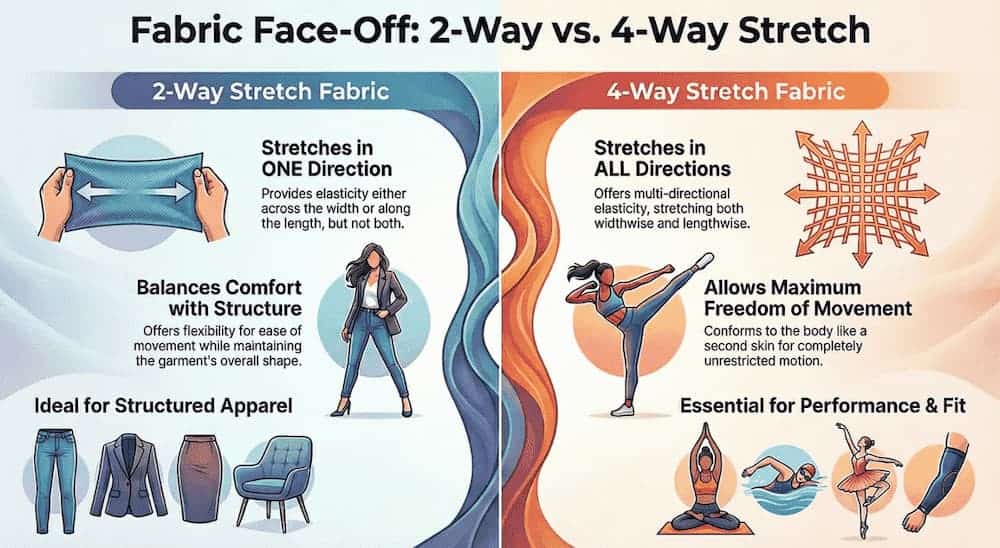
Different fabrics behave differently on various body types. Custom dressmaking allows you to select materials that:
- Provide appropriate structure and support where needed
- Drape flatteringly over your specific contours
- Offer comfort for your climate and lifestyle
- Reflect your personal style preferences
Long-term Value and Sustainability From Custom Dresses
While custom dresses may require a higher initial investment, they often provide superior long-term value. A perfectly fitted dress that flatters your body will be worn more frequently and remain in your wardrobe longer than multiple ill-fitting alternatives. Additionally, custom clothing reduces waste by eliminating the cycle of purchasing, wearing once, and discarding poorly fitting garments.
Frequently Asked Questions About Dress Styles and Body Types
1. Can I wear dresses designed for other body types?
Absolutely. Body type guidelines are suggestions, not rules. Many women find they’re a combination of types or simply prefer styles outside their “recommended” category. The most important factor is how confident and comfortable you feel. Fashion experts emphasize that personal style and confidence matter more than strict adherence to body type rules.
2. How do I know if a dress fits properly?
A properly fitting dress should feel comfortable when sitting, standing, and moving. The seams should align with your natural body lines, and there shouldn’t be pulling, gaping, or excess fabric bunching. You should be able to slip two fingers comfortably between the dress and your body at the waist. If you find yourself constantly adjusting or feeling self-conscious, the fit likely needs improvement.
3. What if my body doesn’t fit neatly into one category?
Most women are combinations of body types. You might have an hourglass upper body with pear-shaped hips, or an inverted triangle top with a rectangular midsection. In these cases, focus on the specific areas you want to highlight or balance rather than trying to fit a single category. Custom tailoring is particularly valuable for combination body types.
4. Are there any dress styles that work for all body types?
Yes! A-line dresses, wrap dresses, and fit-and-flare styles are considered universally flattering because they create balanced proportions and can be adjusted to suit various figures. These silhouettes work with rather than against natural body lines, making them safe choices when you’re uncertain.
5. How important is fabric choice for different body types?
Fabric selection significantly impacts how a dress looks and feels. Structured fabrics like Ponte knit, cotton blends, and crepe provide support and definition, making them ideal for creating shape. Flowy fabrics like chiffon, silk, and rayon drape softly and skim over curves. Heavier fabrics add volume, while lightweight materials create a more streamlined appearance.
6. Can alterations make off-the-rack dresses work for my body type?
Yes, professional alterations can significantly improve the fit of ready-made dresses. Common alterations include taking in or letting out seams, adjusting hemlines, modifying necklines, and adding darts for better shaping. However, there are limits to what alterations can achieve, and some dresses may not have enough seam allowance or appropriate construction for major modifications.
7. What dress styles are best for formal occasions versus casual wear?
For formal occasions, sheath dresses, fit-and-flare gowns, and A-line evening dresses offer timeless elegance. Wrap dresses and empire waist styles can also work beautifully in formal fabrics. For casual wear, shift dresses, simple A-line styles, and relaxed wrap dresses provide comfort without sacrificing style. The key is selecting appropriate fabrics and details for the occasion while maintaining silhouettes that flatter your body.
8. How do I accessorize dresses to enhance my body type?
Accessories can significantly impact how a dress flatters your figure. Belts can add waist definition to rectangle and apple shapes. Statement necklaces draw attention upward for pear shapes. Long earrings and vertical accessories create lengthening effects. Shoes with the right heel height can adjust proportions and how hemlines fall. Consider your body type goals when selecting accessories.
9. What should I consider when dress shopping online?
When shopping online, carefully review size charts and measurement guides. Read customer reviews for insights on fit, particularly from reviewers with similar body types. Look for retailers with good return policies, as fit can vary significantly between brands. Consider ordering multiple sizes to compare fit. For important occasions, allow extra time for potential alterations.
10. How often should I reassess my dress size and style choices?
Bodies change over time due to aging, lifestyle changes, hormonal fluctuations, and other factors. It’s wise to reassess your measurements and wardrobe needs annually or whenever you notice significant changes in how your clothes fit. What worked for your body five years ago may not be optimal today, and staying attuned to your current shape ensures you always look and feel your best.
Conclusion: Embrace Your Unique Shape with Custom Confidence
Understanding your body type and choosing dress silhouettes that complement your natural proportions is a powerful step toward building a confident and intentional personal style. While general fashion guidelines can offer helpful direction, the most important outcome is finding pieces that feel comfortable, look balanced, and truly reflect who you are.
One of the biggest challenges with ready-to-wear clothing is that it rarely accounts for individual differences in shape and proportion. Even with a clear understanding of what works for your body, achieving the right fit can still feel limiting. This is where custom tailoring becomes transformative—turning your wardrobe into a collection of garments designed specifically around you.
At Jesse & Son Tailor, we approach every piece with that level of care and precision. Known for delivering high-quality Custom Suits and Dresses in Bangkok craftsmanship, our team applies the same expertise to custom dresses, combining traditional techniques with a modern understanding of fit, movement, and personal style. From the first consultation to the final fitting, each step is guided by attention to detail and a focus on creating garments that align with your lifestyle.
Whether you are preparing for a special occasion, refining your everyday wardrobe, or simply looking for clothing that feels truly made for you, custom tailoring offers a level of confidence that off-the-rack pieces cannot match. A well-designed dress should not only fit, it should move with you, support your presence, and feel effortless every time you wear it.
Your perfect fit is not something you find, it is something you create.